Atomic Habits Book Review: How to Change Your Life with Small Steps
If you want to build better habits and break bad ones, read Atomic Habits by James Clear. This book has changed millions of lives. Learn the simple 4-rule system that actually works.
What is Atomic Habits?
If you want to build better habits and break bad ones, you need to read "Atomic Habits" by James Clear. This book has changed the lives of millions of people around the world. It teaches you how to make small changes that lead to big results.
👉 GET YOUR COPY - Atomic Habits
Why This Book is Different
Most books about habits tell you to make huge changes overnight. That doesn't work. Atomic Habits is different because it shows you a simple system that anyone can follow.
The main idea is simple: if you get just 1% better every day, you will become 37 times better in one year. That sounds crazy, but it's true. The book proves this with real examples from athletes, business leaders, and regular people who changed their lives.
The Four Rules of Building Habits
James Clear teaches four simple rules that make habit building easy to understand. These rules are the main system in the book that you can use right now:
Rule 1 - Make it Obvious Put your new habit where you can see it. If you want to drink more water, put a water bottle on your desk. If you want to read more, leave a book on your bed. The book shows you how to use something called "habit tracking" - writing down every time you do your habit. This makes your brain notice the habit and makes it stick. James Clear shows real examples of how this works with people who lost weight, quit smoking, and built successful businesses.
Rule 2 - Make it Easy Don't make your new habit hard. If you want to exercise, put your gym clothes next to your bed. If you want to save money, set up automatic transfers. The book teaches you to start really small. Don't try to run a 5K on day one. Walk for 10 minutes instead. Do the easy version first, then make it harder later. This is called "reducing friction" and it's the secret that most people miss.
Rule 3 - Make it Attractive Link your new habit to something you already like. The book calls this "habit stacking." For example: "After I drink my morning coffee, I will do 10 push-ups." You already drink coffee, so this makes the new habit easy to remember. The book also teaches you to make your habit exciting. If you want to exercise but hate the gym, find a type of exercise you actually enjoy - dancing, sports, hiking, anything. This makes you want to do it every day without forcing yourself.
Rule 4 - Make it Satisfying Give yourself a small reward when you do the habit. This makes your brain want to do it again. The reward can be as simple as checking off a box on your calendar or putting a marble in a jar. The book explains that your brain only does things if it feels rewarding. So make your new habits feel good immediately. Do this after each time you complete the habit, and your brain will start craving it.
What's Inside the Book - Chapter Breakdown
Part 1: The Fundamentals - Why Tiny Changes Matter
The book starts by explaining how habits work. James Clear talks about his personal story. He was a star baseball player in high school but got seriously hurt. Doctors said he might never play again. But he used small improvements every day and came back to play in college. This is where the 1% idea comes from.
In this section, you learn:
- How your identity and habits are connected. You don't just want to lose weight - you want to become a healthy person. This is the real secret.
- Why big goals often fail but small systems work. Most people focus on the goal, not the system. If you just follow the system, the goal takes care of itself.
- How habits are automatic. Your brain remembers habits without you thinking about them. This is good for good habits, but bad for bad habits.
Part 2: The Four Laws of Behavior Change
This is the most important section. James Clear explains that every habit has four parts:
- The CUE - What triggers the habit? Is it a time of day? A feeling? A place? An example: it's 3pm, you feel tired, so you eat a cookie.
- The CRAVING - What do you want? Not just the thing, but why. You don't really want the cookie - you want energy. Or comfort. Understanding this is key.
- The RESPONSE - The actual habit. Eating the cookie. Running. Checking your phone. Whatever you do.
- The REWARD - What you get from it. Energy. Comfort. Entertainment. Happiness.
The book teaches you how to change each of these four parts to build good habits or break bad ones.
Part 3: Make It Obvious
The book teaches you about "environmental design" - making your space help you build habits. Some real examples from the book:
- A person who wanted to drink more water left a water bottle on their desk. They drank twice as much water without trying harder.
- Someone who wanted to exercise more laid out their gym clothes the night before. They started exercising because it was so easy.
- A woman wanted to read more books, so she left books in every room of her house instead of hiding them in a closet.
The book also teaches you to write out your habits clearly. Instead of "I want to exercise more," write "I will do 20 push-ups at 6:30 am in my bedroom." This makes your brain actually do it.
Part 4: Make It Easy
This section teaches you the law of "least effort." Your brain takes the easiest path. So make good habits the easiest choice. Here are real examples from the book:
- A gym owner moved the TV remote control far from the couch. People had to walk to change the channel, so they exercised instead.
- A person who wanted to eat healthier cut up vegetables and put them in their fridge at eye level. Junk food was hidden away. They naturally ate more vegetables.
- Someone who wanted to write a book committed to writing just one sentence per day. This is so easy that they actually did it. After months of one sentence, they had pages written.
The book teaches you to start stupidly small. Don't say "I'll exercise for an hour." Say "I'll put on my exercise clothes." Once that becomes a habit, add more. This is how real change happens.
Part 5: Make It Attractive
Your brain does things that feel good. So make habits attractive. The book teaches:
- "Habit stacking with motivation" - stack your new habit with something you already love. You love coffee? Then after coffee, do your new habit. You love watching TV? Then after TV, exercise for 5 minutes.
- Find a community that does what you want to do. If you want to read, join a book club. If you want to exercise, join a gym or sports group. Humans copy what others around them do.
- Change how you think about the habit. Don't say "I have to run." Say "I get to run - it makes me stronger and healthier." The book explains that changing your story about the habit changes whether you actually do it.
The book has real examples of people who hated exercise until they found a type they loved. One person hated traditional gyms but loved dancing. Now they exercise every day without forcing themselves.
Part 6: Make It Satisfying
This is about instant rewards. Your brain needs to feel good right after the habit to repeat it. Some examples:
- A man who wanted to save money moved money to savings automatically, then checked his account online to see it grow. Seeing the number go up was satisfying, so he kept saving.
- Someone put marbles in a jar each time they drank water instead of soda. When the jar was full, they could buy something they wanted. The immediate satisfaction of dropping the marble made the habit stick.
- A person who wanted to meditate marked an X on a calendar for each day they meditated. Seeing the chain of Xs grow motivated them to not break the chain.
The book explains that the reward happens right after the habit, not weeks later. You can't just think "I'll be healthy someday." You need to feel good today.
Part 7: Advanced Tactics
In the later chapters, James Clear teaches:
- How to break bad habits by understanding what cue and reward they give you, then replacing them with better habits
- The importance of tracking your habits - what gets measured gets done
- How to be flexible and bounce back if you miss a day - one missed day is a slip-up, two is the start of a new bad habit
- Why your identity matters more than motivation. If you see yourself as "a healthy person," you naturally make healthy choices. If you see yourself as "bad at exercise," you'll never stick with it.
Part 8: The Long Game
The book finishes by teaching you that habit building is not about being perfect. It's about:
- Playing the long game. Small changes today create big results in 1, 5, and 10 years
- Understanding that different people build habits at different speeds, so don't compare yourself to others
- Knowing that your habits compound. One good habit leads to another. One bad habit can spread too
- The power of systems. If you get your system right, the results take care of themselves
Who Should Read This Book?
This book is perfect for you if you want to:
- Exercise more and stay healthy
- Stop eating junk food and eat better
- Stop scrolling on your phone all day
- Read more books
- Become more productive at work
- Sleep better
- Stop drinking too much coffee or alcohol
- Build confidence and become successful
- Save more money
- Learn new skills
Basically, if you want to change anything about your life, this book will help you.
Real Results From People Like You
Thousands of people have read this book and changed their lives. Here are some real results:
- People lost weight and kept it off
- Students got better grades by studying every day
- Workers became more productive and got promoted
- Athletes improved their performance
- People stopped bad habits like smoking and drinking too much
- Families spent more time together instead of on phones
- People started reading 10+ books a year
- Business owners grew their companies
The amazing thing is that all these people used the same simple system from the book.
How Long is the Book?
The book is about 300 pages, but it's easy to read. You can finish it in 2-3 weeks if you read a little bit every day. The book has lots of examples and stories, so it's not boring like some other books about science and psychology.
The Best Part About This Book
The best thing about Atomic Habits is that you don't need to be special or talented to use it. You don't need to have super strong willpower. You just need to understand how habits really work and then use the simple system in the book.
Even if you've tried to change before and failed, this book will show you why you failed and how to do it differently this time. It's not mean or judgmental—it just teaches you what actually works.
Should You Buy It?
Yes, you should buy this book if you want to change your life. It costs around $15-20, but the ideas inside are worth way more than that. This book will save you years of trying things that don't work. You'll learn from James Clear's research and from thousands of people who already used these ideas to win.
👉 BUY ATOMIC HABITS NOW - Get It on Amazon
Start Your Journey Today
Stop waiting for the perfect time to change. Stop thinking about starting tomorrow. Read this book and start building the habits that will change your life. Small steps lead to big changes. That's what Atomic Habits teaches, and that's why it works.
Your future self will be happy you did this today.
About the writer

Writer
Imesha is a Software and EdTech Specialist for EveryTuesdays. She covers software and mobile development, artificial intelligence, personal development, book reviews, and actionable digital learning guides to help readers upskill.
You May Also Like
Browse All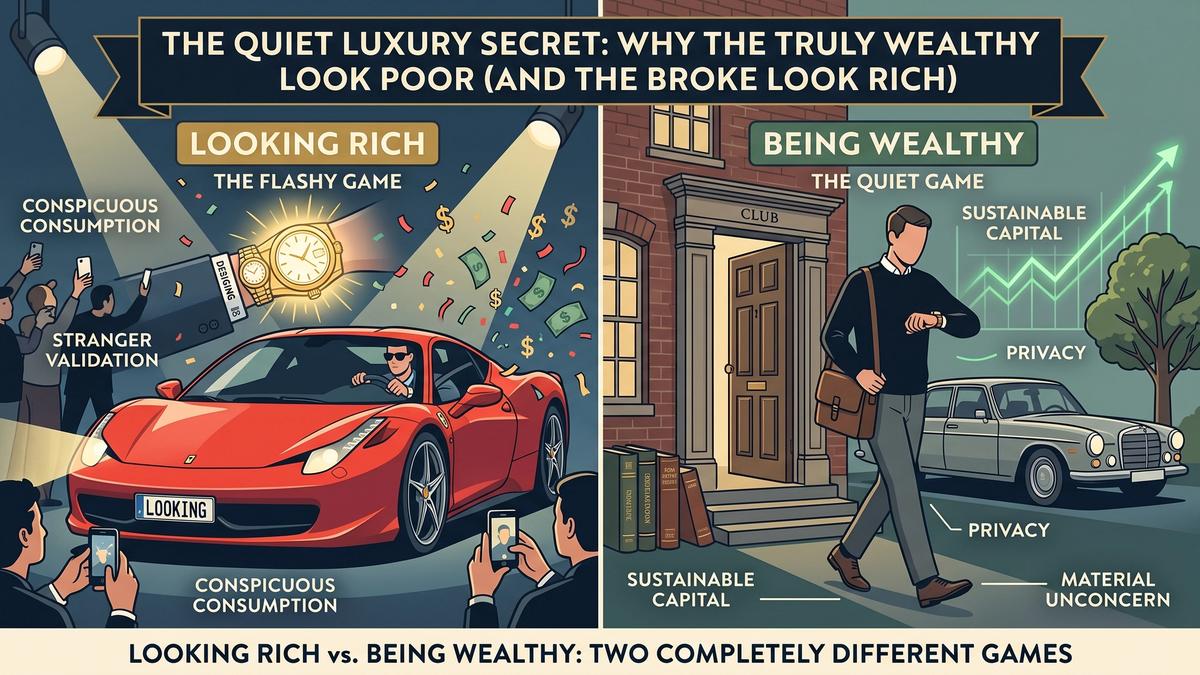
The Quiet Luxury Secret: Why the Truly Wealthy Look Poor (And the Broke Look Rich)
That $100k Ferrari doesn't prove someone's rich it proves they have $100k less. Here's why real wealth is built to stay invisible.

Earning More Than Your Family: Why Success Feels Like Betrayal
Why does hitting a financial milestone feel like betrayal instead of victory? Your attachment system may be reading success as a threat to belonging.
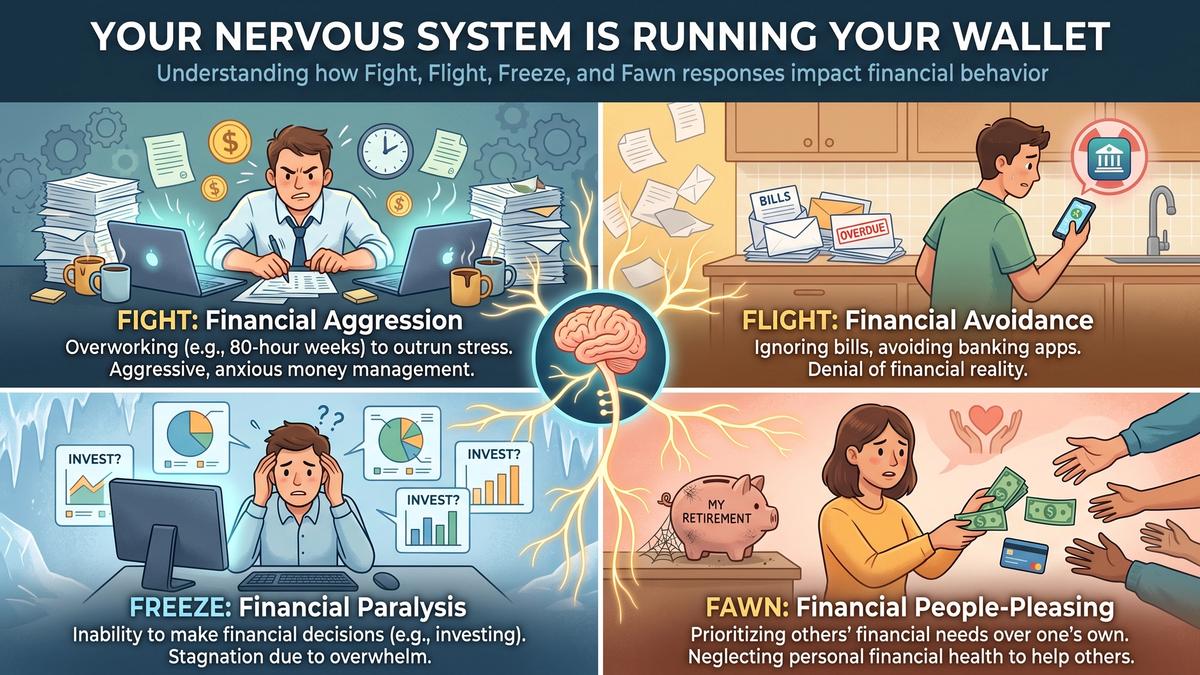
Your Nervous System is Running Your Wallet: Fight, Flight, Freeze, and Fawn in Finance
Overworking, avoiding bills, freezing on decisions, over-giving to others these aren't habits. They're survival responses your body chose for you.